Energy Efficiency and Rooflights: How to Reduce Expenses and Enhance Comfort
Rooflights provide a practical approach to enhancing energy efficiency in residential spaces. By utilizing natural sunlight, they decrease dependence on artificial lighting, leading to lower energy costs. Their construction also promotes improved thermal performance, keeping indoor temperatures comfortable across all seasons. However, selecting the right rooflight style and installation method is critical to maximizing these benefits. Knowing how to attain optimal performance can significantly influence both living conditions and financial savings. Which considerations should homeowners keep in mind?
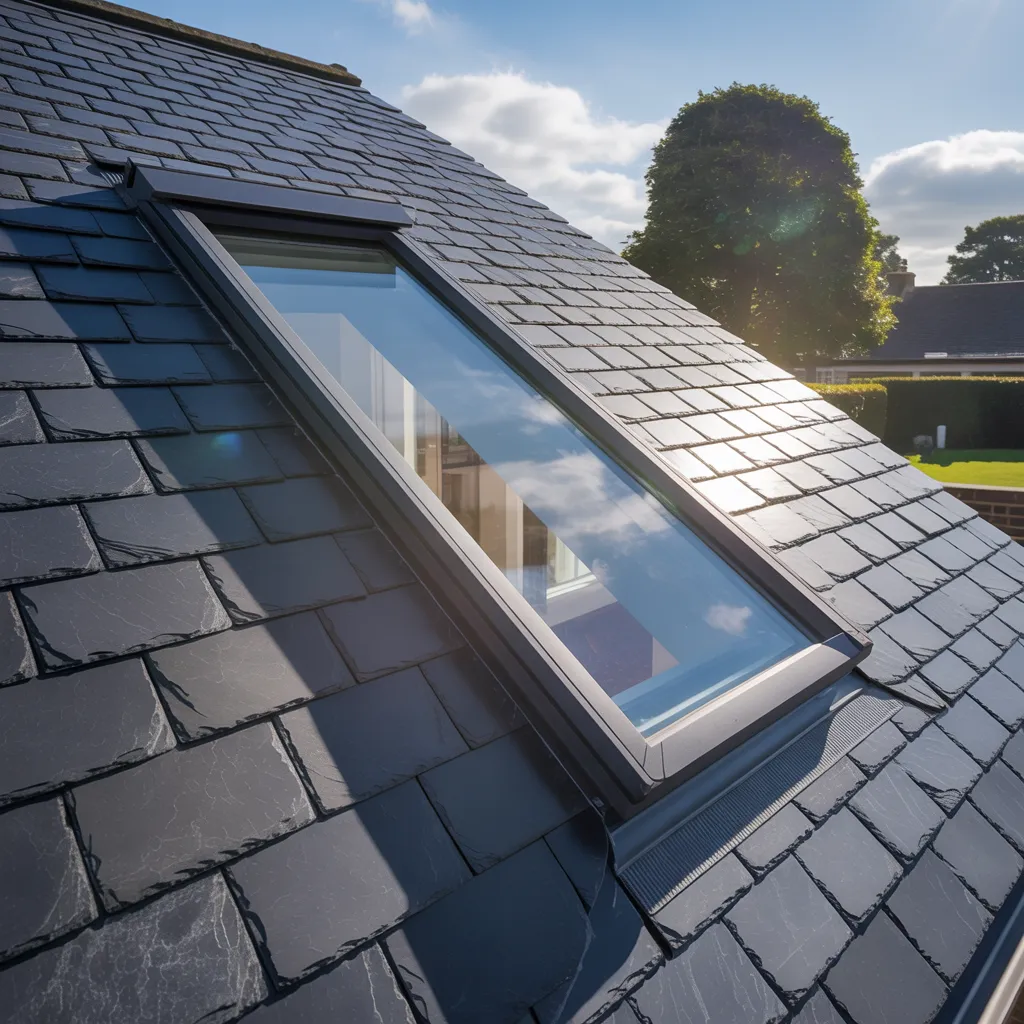
How Rooflights Enhance Energy Efficiency
Rooflights significantly improve energy efficiency in both commercial and residential properties. By allowing natural light to penetrate deeper into spaces, they minimise the need for artificial lighting, leading to decreased energy demands. This not only cuts electricity costs but also reduces the environmental impact linked to energy generation. Moreover, contemporary rooflight solutions frequently include thermal insulation properties that help maintain indoor temperatures. During colder months, they can limit the escape of heat, while in warmer seasons, they can be constructed to minimise heat accumulation, thus reducing air conditioning expenses. Beyond this, thoughtfully installed rooflights can optimise ventilation, allowing for better airflow and reducing the need for mechanical heating and cooling systems. In summary, incorporating rooflights into architectural plans can significantly improve energy performance, promoting sustainable building practices and ongoing cost reductions.
The Key Benefits of Rooflights for Bringing Natural Light Into Your Home
Rooflights offer significant advantages by enhancing natural illumination in residential areas. This enhancement of daylight not only enhances energy performance but also contributes to better health and wellbeing for inhabitants. The integration of rooflights can turn a home into a more luminous and appealing living space.
Improved Natural Lighting
Daylight serves a critical function in enhancing the ambiance and functionality of a home. Rooflights serve as an effective solution for maximizing daylight intake, turning shadowy interiors into radiant, appealing environments. By letting natural light pour through, these installations create a warm atmosphere that can elevate mood and productivity. Furthermore, natural light has been shown to improve overall well-being, decreasing dependence on electric lighting and strengthening ties to the natural world. Such additions can also draw attention to design elements, contributing aesthetic appeal and perspective to living areas. Beyond this, by harnessing the power of natural sunlight, homeowners can enjoy a lighter and more expansive atmosphere, rendering spaces feel broader and more inviting. This boost in daylight significantly elevates everyday life.
Enhanced Energy Efficiency
As many homeowners look for methods to improve their homes, incorporating rooflights can substantially boost energy efficiency. By permitting natural light to stream through, rooflights decrease the need for artificial lighting, leading to reduced energy costs. Additionally, modern rooflight designs often feature high-performance glazing that limits heat dissipation, sustaining ideal indoor conditions throughout the year. This thermal barrier benefit not only lowers winter heating bills but also helps keep spaces cool in summer, thereby decreasing total power demands. Moreover, thoughtfully positioned rooflights can boost air circulation, lessening dependence on air conditioning units. Overall, the addition of rooflights represents a smart investment for homeowners looking to enhance their energy efficiency while enjoying the aesthetic benefits of natural light.
Wellbeing and Health Improvement
Daylight serves a vital purpose in supporting health and wellbeing within the home. Rooflights provide an abundant supply of sunlight, transforming the indoor environment. Access to daylight is associated with improved mood, increased productivity, and improved sleep patterns. It supports the regulation of circadian rhythms, which can alleviate stress and anxiety. Furthermore, ample daylight encourages physical activity and social interaction, fostering a healthier lifestyle. Rooflights can also reduce the need for artificial light sources, additionally enhancing psychological and emotional health. By introducing rooflights into residential spaces, residents can develop areas that not only reduce energy consumption but also foster a more uplifting and invigorating atmosphere, thereby improving overall quality of life.
Finding the Perfect Rooflight Styles for Every Room Type
Picking the most suitable rooflight option can significantly improve the practicality and atmosphere of various room types. For kitchens, larger, fixed rooflights enable plentiful daylight to flow in, creating an inviting and energizing environment. In sitting rooms, a blend of rooflights and openable windows can ensure air circulation without compromising a comfortable feel. For bathrooms, petite, obscured rooflights offer privacy without sacrificing light, fostering a tranquil atmosphere.
In bedrooms, adjustable blind rooflights aid in managing light levels, creating a restful atmosphere. Study or home office spaces gain advantages from openable rooflights that allow fresh air, encouraging concentration and productivity. At the end of the day, choosing the right rooflight style requires taking into account the unique needs of each room, such as light, privacy, and ventilation. By tailoring choices to these factors, homeowners can significantly enhance both comfort and energy efficiency throughout their living spaces.
A Guide to Installing Rooflights for Maximum Efficiency
Fitting rooflights can greatly enhance energy efficiency when carried out correctly. First, proper placement is vital; situating rooflights to optimize natural light while limiting heat loss will yield the best results. For best results, they should be installed on south-facing slopes to harness sunlight across the day.
Next, choosing high-quality, energy-efficient glazing is vital. Double or triple-glazed options with low-emissivity coatings will help maintain indoor temperatures while reducing energy consumption.
In addition, maintaining a firm closure around the skylight eliminates moisture infiltration and drafts, which could reduce efficiency.
Additionally, incorporating the use of shading devices and thermal insulation will considerably increase building performance, enabling comfortable living spaces during every season.
Discovering Cost Savings With Rooflights
Many homeowners have discovered that incorporating rooflights can lead to substantial reductions in costs over time. By allowing natural light to flood interior spaces, rooflights decrease dependence on artificial light sources, consequently cutting down on electricity expenses. Furthermore, rooflights are capable of improving thermal efficiency, especially when equipped with energy-saving glazing. This supports the maintenance of pleasant indoor conditions, decreasing reliance on heating in colder months and cooling in warmer months.
Furthermore, the careful positioning of rooflights can optimize ventilation, consequently lowering energy costs by reducing the need for climate control systems. Property owners also benefit from potential rises in property value, as energy-saving elements are progressively desirable to prospective purchasers. As time progresses, the preliminary outlay in rooflights can be compensated by these economic advantages, making them a economically sound investment. Ultimately, their integration not only enhances energy efficiency but also supports a more sustainable living setting.
How Rooflights Can Beautify Your Home
Rooflights function not only to increase energy efficiency but also to enrich the overall look of a home. By maximizing natural light, they create a warm and inviting atmosphere while highlighting architectural features. Additionally, various aesthetic design options allow homeowners to customize rooflights to complement their personal style and overall home design.
Enhancing Natural Light
Natural light acts as a powerful force in home design, elevating both beauty and ambiance. Rooflights are instrumental in maximizing natural light, allowing sunlight to flood interior spaces while reducing reliance on artificial lighting. This not only enhances the aesthetic quality of a home but also establishes a warm and welcoming environment. Furthermore, the thoughtful positioning of rooflights can accentuate architectural features and deliver a sense of spaciousness, making rooms feel more open and airy. Beyond aesthetics, natural light has been proven to support mental well-being, enhancing energy levels and overall productivity. By integrating rooflights, homeowners can successfully combine functionality with beauty, cultivating a harmonious home environment that supports comfort and enjoyment.
Decorative Design Alternatives
A variety of aesthetic design options can significantly improve a home's aesthetic appeal through the incorporation of rooflights. These elements enable natural light to flood living spaces while introducing a modern touch to building aesthetics. Various shapes and sizes, such as skylights and lantern roofs, can establish unique focal points. Additionally, custom frames and finishes can integrate harmoniously with existing décor, enhancing overall design coherence. The strategic placement of rooflights also highlights architectural lines, making spaces appear larger and more inviting. In addition, integrating rooflights with energy-efficient glazing can deliver both elegance and utility, decreasing energy consumption while elevating the ambiance. Altogether, rooflights act as a versatile design element, marrying aesthetics with practicality in any home.

Popular Questions We Receive
What Are the Upkeep Requirements for Rooflights?
Skylights need routine checks to identify leaks, clear debris, and verify sealant integrity. Washing the glass panels enhances light penetration, with adequate drainage maintenance avoids water pooling. Scheduled servicing increases durability and enhances functionality, contributing to overall building efficiency.
Do Rooflights Help Cut Heating and Cooling Costs?
Rooflights can considerably reduce heating and cooling costs by maximizing natural sunlight and boosting airflow. This leads to diminished dependence on artificial lighting and HVAC systems, thereby producing reduced energy costs and greater comfort within the building.
Which Rooflight Materials Are Known to Boost Energy Efficiency?
Particular skylight solutions, such as triple glazing and low-emissivity treatments, greatly improve energy efficiency. Such materials minimize heat loss and gain, serving to maintain interior temperatures and reduce reliance on heating and cooling systems.
How Do Rooflights Impact Home Resale Value?
Rooflights can significantly boost home resale value by improving natural light, aesthetics, discussion and energy efficiency. Many buyers commonly view them as desirable modern elements, making properties increasingly desirable and elevating their broader market value.
What Permits Are Needed for Installing Rooflights?
Installing rooflights generally necessitates building permits, which can involve planning consent and compliance with local building regulations. Property owners should contact their local council to ensure the required permits are secured before proceeding with installation.